Is “No Pain, No Gain” Helping or Hurting?
For decades, “no pain, no gain” has been worn like a badge of honor. Sore muscles meant a good workout. Pushing through pain meant toughness. Rest was seen as weakness.
But here’s the truth: that mindset is one of the fastest ways to stall your progress (or end it altogether).
If your goal is to build strength, improve performance, and keep moving for years to come, pain is not the price of admission. It’s a warning sign. Training smarter, not harder, is what actually keeps you improving.
Pain Is Not the Same as Progress
Let’s get one thing clear: discomfort and pain are not the same.
- Discomfort: muscle fatigue, effort, a burning sensation near the end of a set
- Pain: sharp, stabbing, pinching, or lingering soreness in joints, tendons, or muscles
Discomfort is part of training. Pain is your body saying, “Something isn’t right.”
Ignoring that message doesn’t make you disciplined… it makes you injured.
How “No Pain, No Gain” Slows You Down
 1. Pain Changes How You Move

When something hurts, your body automatically compensates. You shift weight, shorten range of motion, or recruit the wrong muscles just to get through the movement.
That leads to:
- Poor technique
- Increased stress on other joints
- Higher injury risk
You may finish the workout, but you’re reinforcing bad movement patterns that hold you back long-term.
2. More Pain ≠ Better Results
Training breaks the body down. Recovery is when adaptation happens.
If you’re constantly sore, exhausted, or dealing with nagging aches, your body never fully recovers. That means:
- Slower strength gains
- Reduced performance
- Plateaus that feel impossible to break
Progress comes from the right amount of stress, not maximum suffering.
3. Chronic Pain Leads to Time Off
The hardest part about injuries isn’t the pain… it’s the lost time.
Weeks or months away from training erase far more progress than taking a smart rest day ever would. Staying “tough” in the short term often means sitting out in the long term.
If you want to stay in the game, you have to protect your ability to keep playing.
The Smarter Way to Train
Train With Intent, Not Ego
Heavier weights, faster times, and harder sessions only matter if they’re earned.
Ask yourself:
- Can I control this movement?
- Does this load allow good technique?
- Will I recover from this session before the next one?
Progress isn’t about proving something, rather it’s about building something.
 Prioritize Movement Quality
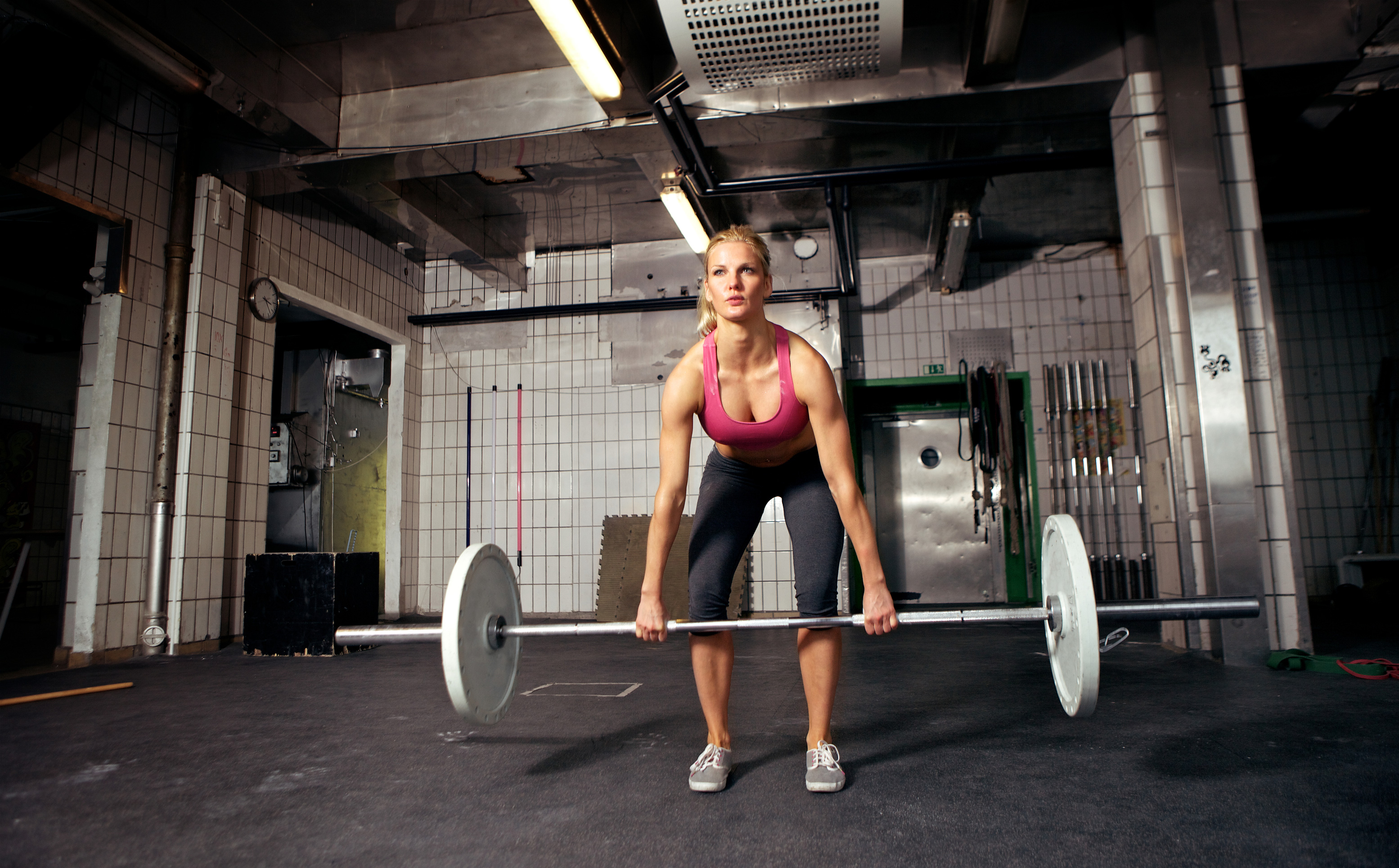
Moving well is the foundation of everything else.
That means:
- Full, controlled ranges of motion
- Stable joints and strong positions
- Exercises that match your current ability
Better movement equals better force transfer, better results, and fewer injuries.
Respect Recovery as Training
Sleep, nutrition, mobility work, and rest days aren’t optional. They’re part of the program.
Recovery allows:
- Muscles to rebuild
- Nervous system to reset
- Joints and connective tissue to stay healthy
If you train hard but recover poorly, you’re not improving, you’re just accumulating fatigue.
Pain Is a Teacher—If You Listen
Pain doesn’t mean you’re weak. It means something needs attention.
It might be:
- A technique issue
- Too much volume or intensity
- Poor recovery
- Limited mobility or stability
Ignoring pain silences valuable feedback. Listening to it helps you adjust and move forward stronger.
Redefining “Hard Training”
Hard training doesn’t mean wrecking yourself every session.
It means:
- Showing up consistently
- Executing movements with precision
- Progressing gradually
- Knowing when to push and also when to pull back
The athletes and lifters who last the longest aren’t the ones who embrace pain. They’re the ones who respect their bodies.
Train Smarter. Move Better. Stay in the Game.
The goal isn’t to survive today’s workout.
The goal is to still be training next year. And the year after that.
Progress isn’t built on pain.
It’s built on smart stress, quality movement, and consistent recovery.
Drop the “no pain, no gain” mindset.
Train smarter, move better, and give yourself the best chance to stay in the game for life.